
Can Coaching Help With Stress?
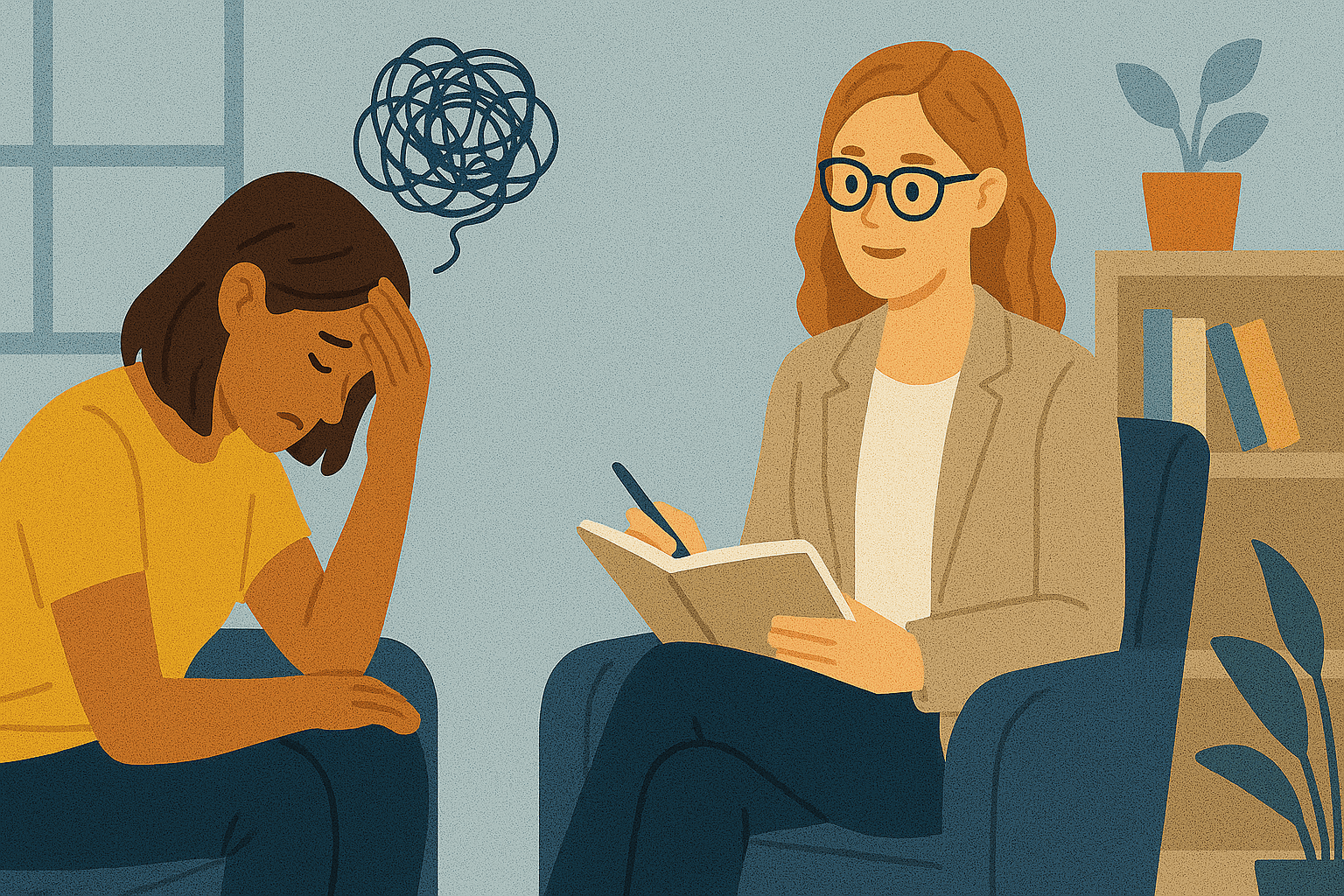
Stress is a part of life. It shows up when we feel overextended, pressured, or overwhelmed. For many, stress feels constant — a low hum of tension in the body, racing thoughts, or an inability to rest. Traditional self-help tips can provide temporary relief, but for lasting change, coaching offers a structured, supportive approach tailored to the individual.
Trauma-informed coaching recognizes that stress is often not just about external circumstances. It is also influenced by how the nervous system responds to triggers, patterns learned in childhood, or experiences that left emotional residues. This perspective shifts the focus from surface-level symptom management to understanding and regulating the underlying system.
What Stress Looks Like in Daily Life
Stress can manifest in a variety of ways. Some people notice physical tension, headaches, or disrupted sleep. Others experience emotional overwhelm, irritability, or a constant sense of urgency. Chronic stress can affect decision-making, creativity, and relationships, leaving a person feeling “stuck” or drained.
We view stress as a signal — not a weakness. It is the body and mind’s way of indicating that something needs attention. By noticing these signals early, coaching can help individuals respond rather than react.
Why Coaching Can Offer More Than Quick Fixes
Many people try quick stress-management strategies: breathing exercises, meditation apps, or journaling. While useful, these techniques may not address the root causes of stress, especially when patterns are tied to emotional history or nervous system responses.
Coaching provides a personalized approach. It allows for ongoing support, exploration of triggers, and development of strategies that align with one’s lifestyle and emotional needs. Rather than telling someone what to do, coaching offers tools to understand why certain situations create overwhelm and how to navigate them more skillfully.
What Stress-Focused Coaching Looks Like
In stress-focused coaching, sessions often begin with listening — truly hearing how stress shows up in the client’s life. This includes identifying patterns in behavior, habitual reactions, and emotional responses.
From there, coaching integrates practical and somatic strategies:
Developing awareness of bodily sensations related to stress
Exploring triggers and habitual responses
Introducing self-regulation techniques, such as grounding or breathwork
Reviewing lifestyle factors like sleep, workload, and boundaries
Setting achievable goals for stress reduction and emotional resilience
Coaching is collaborative. It creates a safe space where the client can explore stress triggers without judgment and discover strategies that work for them personally.
Benefits of Stress Coaching
Clients who engage in trauma-informed coaching often notice significant improvements in both mental and physical responses to stress. Benefits can include:
Greater nervous system stability, which means fewer sudden reactions to triggers
Enhanced emotional awareness and clarity under pressure
Reduced feelings of overwhelm and improved capacity for rest
Development of habits that support long-term resilience and self-care
These outcomes are not instant fixes. They grow over time as clients practice new ways of responding and integrate coaching insights into daily life.
Who Can Benefit from Coaching for Stress
Stress coaching is suitable for anyone experiencing persistent stress or overwhelm, even if it is not linked to a clinical diagnosis. Some groups find it especially valuable:
Professionals facing high demands and tight deadlines
Sensitive or highly empathic individuals who easily absorb external pressures
People balancing multiple roles and responsibilities
Individuals who have tried surface-level stress strategies but still feel “stuck”
Coaching helps clients understand their unique stress patterns and respond in ways that feel safe and effective.
What Coaching Doesn’t Do
It is important to clarify what coaching can and cannot do. Coaching does not replace therapy or mental-health treatment. It is not a clinical intervention and does not involve diagnosing mental illness or trauma.
Coaching focuses on building tools, understanding patterns, and creating a supportive structure for navigating stress. It is a practical, relational approach that respects the individual’s pace and capacity for change.
Choosing the Right Coach
When seeking a coach for stress management, consider the following:
Look for someone who is trauma-informed and attuned to nervous system regulation
Ensure their approach aligns with your comfort and pace
Consider whether they offer strategies that integrate body, mind, and emotional awareness
Ask if they provide guidance for sustainable change rather than quick fixes
A coach’s role is to create a space where clients can feel heard, safe, and empowered to make meaningful changes in how they respond to stress.
Simple Practices That Complement Coaching
Even outside of sessions, there are small, actionable practices that support stress reduction:
Checking in with bodily sensations throughout the day
Grounding exercises, like noticing the feet on the floor or the breath moving in the body
Setting small boundaries to protect personal time and energy
Mindful reflection on triggers, patterns, and responses
Gentle movement, stretching, or short walks to release tension
These practices do not replace coaching but reinforce the tools and insights gained in sessions.
Frequently Asked Questions
Can coaching help if my stress feels overwhelming?
Yes. Coaching can help identify patterns, develop self-regulation strategies, and create sustainable routines. Severe or clinical stress may also require professional mental-health support.
Do I need a stressful job to benefit from stress coaching?
No. Stress arises from many sources — personal life, emotional patterns, or daily responsibilities. Coaching supports anyone seeking greater calm and balance.
How quickly will I notice results?
Everyone responds differently. Some clients feel immediate relief through awareness and grounding techniques, while others benefit gradually as habits and nervous system regulation develop.
Is coaching just about mindset or positive thinking?
Effective stress coaching integrates mindset, body awareness, emotional reflection, and practical strategies. It is a holistic, trauma-informed approach.
Will coaching replace self-care routines?
No. Coaching complements self-care, helping clients make habits more effective and sustainable.
Conclusion
Stress is inevitable, but how we respond to it makes a significant difference. Trauma-informed coaching provides a framework to understand stress, regulate the nervous system, and develop long-term resilience.
With guidance, clients learn to recognize triggers, respond rather than react, and integrate new patterns that create stability and clarity. The goal is not to eliminate stress entirely but to navigate it with awareness, self-compassion, and practical tools that last beyond the coaching sessions.