
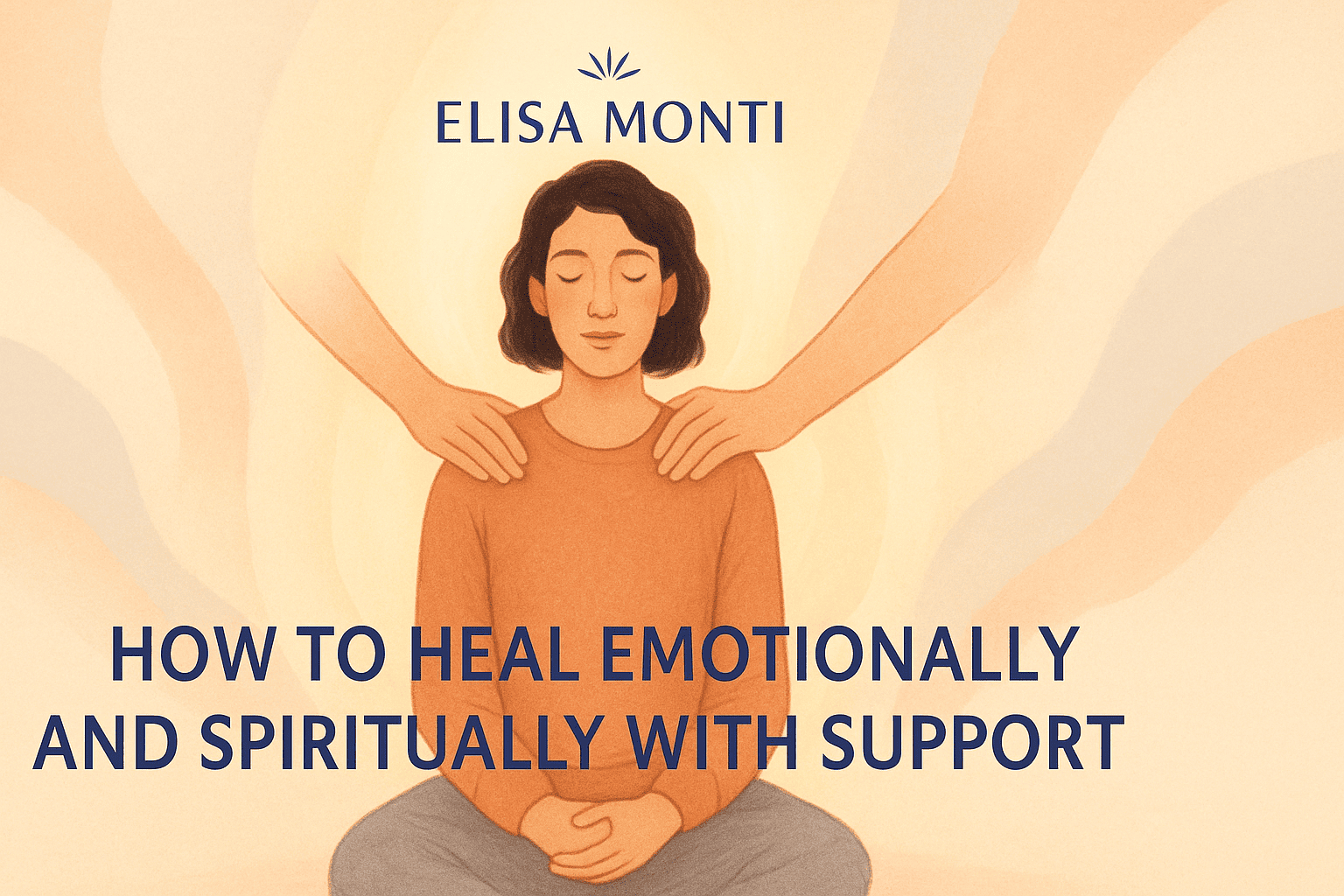
How to Tear Down Emotional Walls
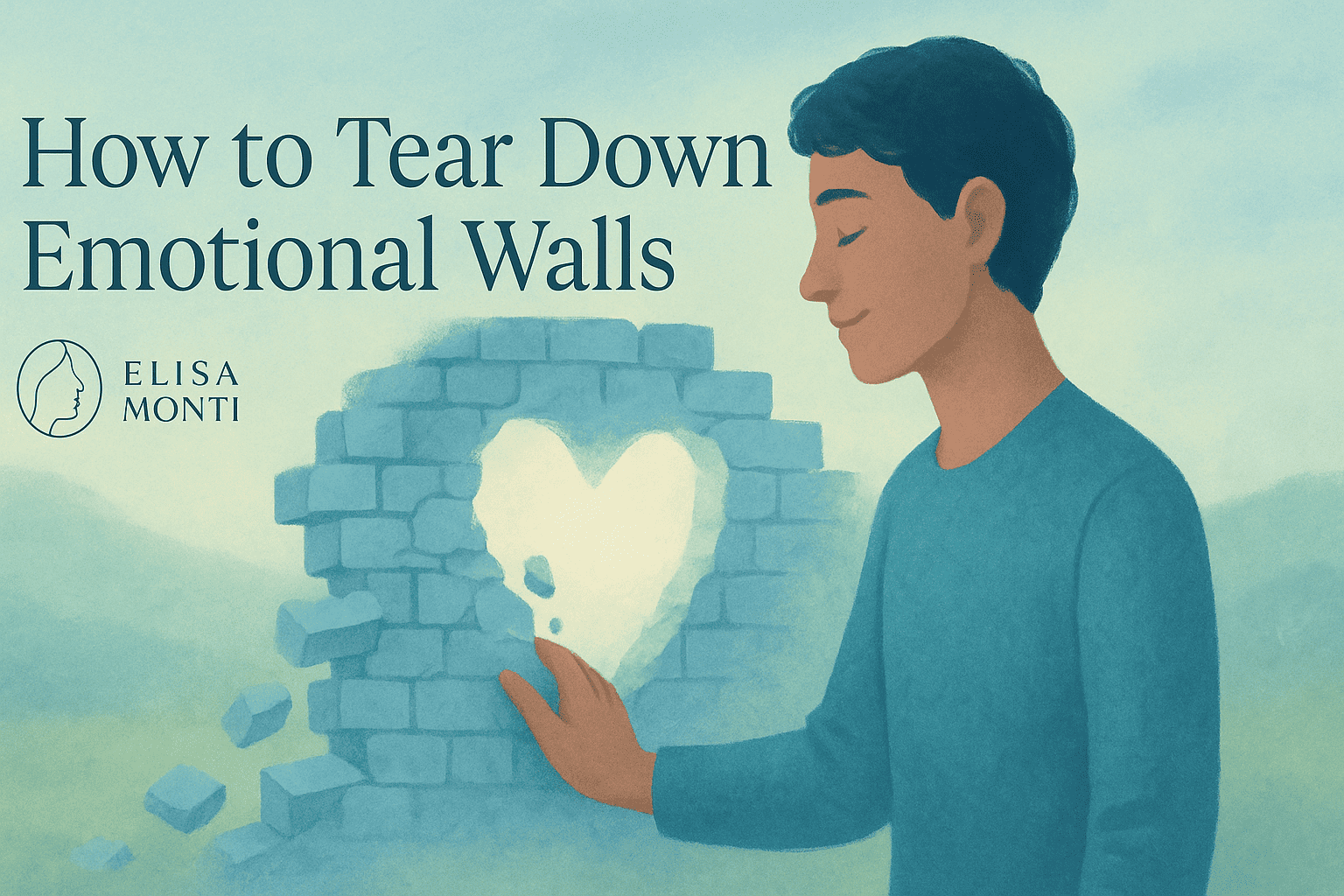
Tearing Down Emotional Walls: A Trauma-Informed Path to Openness
Emotional walls are invisible barriers we build to protect ourselves when life has taught us that vulnerability doesn’t always feel safe. Whether these walls formed after heartbreak, betrayal, rejection, or childhood hurt, they often begin as self-protection. But over time, they can leave us feeling lonely, disconnected, and longing for deeper connection.
If you’ve noticed yourself withdrawing when things get close, struggling to ask for help, or feeling emotionally numb even around people you care about, know that you are not alone—and you are not broken. These walls made sense at one time. Now, it’s possible to gently return to your truth and rediscover what it feels like to be seen, heard, and supported.
Subtle Signs You May Be Emotionally Guarded
You may not even realize you’ve built emotional walls—sometimes, they become so familiar they feel like part of your personality. Here are some ways these walls might show up:
You keep conversations surface-level, even with people you trust.
It’s hard to express what you truly feel or need, especially in important moments.
You crave closeness, yet avoid emotional intimacy.
You feel numb or “just going through the motions.”
You’re the strong one, but no one really knows what’s happening inside.
If any of these resonate, know that emotional walls are a natural response to pain. They may have kept you safe before, but they don’t have to shape your future.

Reclaim Your Voice. Reclaim Yourself.
Break free from silence and fear. Take the first step toward healing, empowerment, and rediscovering your authentic self.
Book Call with ElisaWhy Do We Build Emotional Walls?
Emotional walls often develop from emotional wounds—childhood experiences, toxic relationships, or years of feeling unseen or misunderstood. When emotions weren’t welcomed or safety wasn’t modeled, your nervous system learned to protect you with withdrawal, shutdown, or people-pleasing (often known as the “fawn response”).
Over time, protection can start to feel like a prison. The good news is that these patterns are learned—and with the right support, they can be gently unlearned.
A Trauma-Informed Approach to Letting Down Your Walls
Tearing down emotional walls is not about forcing yourself into vulnerability or sharing more than you’re ready for. It’s about slow, intentional steps toward trust, connection, and self-acceptance. Here’s how to begin:
1. Cultivate Awareness with Compassion
The first step is simply to notice your emotional walls with kindness. When do you feel yourself withdrawing? What stories come up in those moments? (For example: “They’ll reject me,” or “I’m too much.”)
Awareness—without judgment—begins to soften your inner defenses.
2. Practice Small Vulnerabilities
Safety is built through small, consistent acts of authenticity. Try sharing a worry with a trusted friend, stating a boundary, or admitting when you feel off. Each time you express your truth, you’re teaching your nervous system that openness can be safe.
3. Regulate Your Nervous System
If you find yourself shutting down or getting anxious, pause and breathe. Gentle grounding practices—breathing, movement, or simply noticing your surroundings—help you stay present when you open up. The more regulated your body feels, the more comfortable vulnerability becomes.
4. Reflect and Celebrate Growth
After a moment of vulnerability, reflect: How did it feel? What was easier or harder than expected? Notice and celebrate every small step. This helps rebuild self-trust and confidence in your ability to connect.
How Coaching with Elisa Monti Supports Emotional Openness
As an emotional healing coach, I offer a trauma recovery coaching, non-judgmental space where you can gently explore your walls at your own pace. Together, we can:
Discover where your emotional defenses come from and how they’ve served you
Build body and nervous system awareness for greater safety during emotional moments
Reconnect you with your voice and truth—without pressure or expectation
Practice new ways of expressing yourself, starting with the smallest steps that feel safe
Reclaim the parts of yourself you’ve hidden away for protection
You’ll never be asked to share more than you’re ready for. Instead, we co-create a space where you feel genuinely supported, not judged or rushed.
Healing is not about “fixing” yourself—it’s about rediscovering the parts of you that long for connection and allowing them to breathe again.
Where to Begin Today
Here are a few gentle questions to journal on or bring to a coaching session:
When do I notice myself shutting down or pulling away?
What am I afraid might happen if I let people see the real me?
What would feeling emotionally safe look and feel like for me?
Who are the people or places where I feel most seen or at ease?
You Deserve to Be Known and Supported
Letting down emotional walls takes time, trust, and a lot of self-kindness. You’re allowed to go slowly. You’re allowed to want more closeness and authenticity in your life.
You are worthy of being known—not just for your strength, but for your true self.
If you’re ready to begin this journey, I invite you to connect with me. Together, we can gently explore your story, release old survival patterns, and welcome more openness and connection into your life.
Ready to feel safe in your own skin again? Book a discovery call today and take the first step toward emotional freedom.
Reclaim Your Voice. Reclaim Yourself.
Break free from silence and fear. Take the first step toward healing, empowerment, and rediscovering your authentic self.
Book Call with ElisaFrequently Asked Questions
What does it mean to have emotional walls?
Emotional walls are protective barriers we build—often unconsciously—to guard against pain, rejection, or vulnerability. They may have once kept you safe, but can eventually make genuine connection more difficult.
Can emotional walls come from past trauma?
Yes. Emotional walls commonly develop after trauma or hurtful experiences, especially if expressing emotions wasn’t safe or accepted. These patterns can be gently unlearned with the right support.
How do I know if I’m ready to open up emotionally?
If you’re feeling stuck, disconnected, or longing for deeper connection, you may be ready. Readiness simply means you’re willing to explore at your own pace—with compassion for yourself.
How can coaching help me become more emotionally open?
Coaching offers a supportive, non-judgmental partnership to explore your inner world, learn new tools for self-expression, and gently practice vulnerability in a safe space.
What if I’ve never talked about my emotions before?
That’s completely okay. Many begin coaching feeling unsure about where to start. You’ll never be rushed or judged—coaching is about creating a safe, gentle space for your journey.
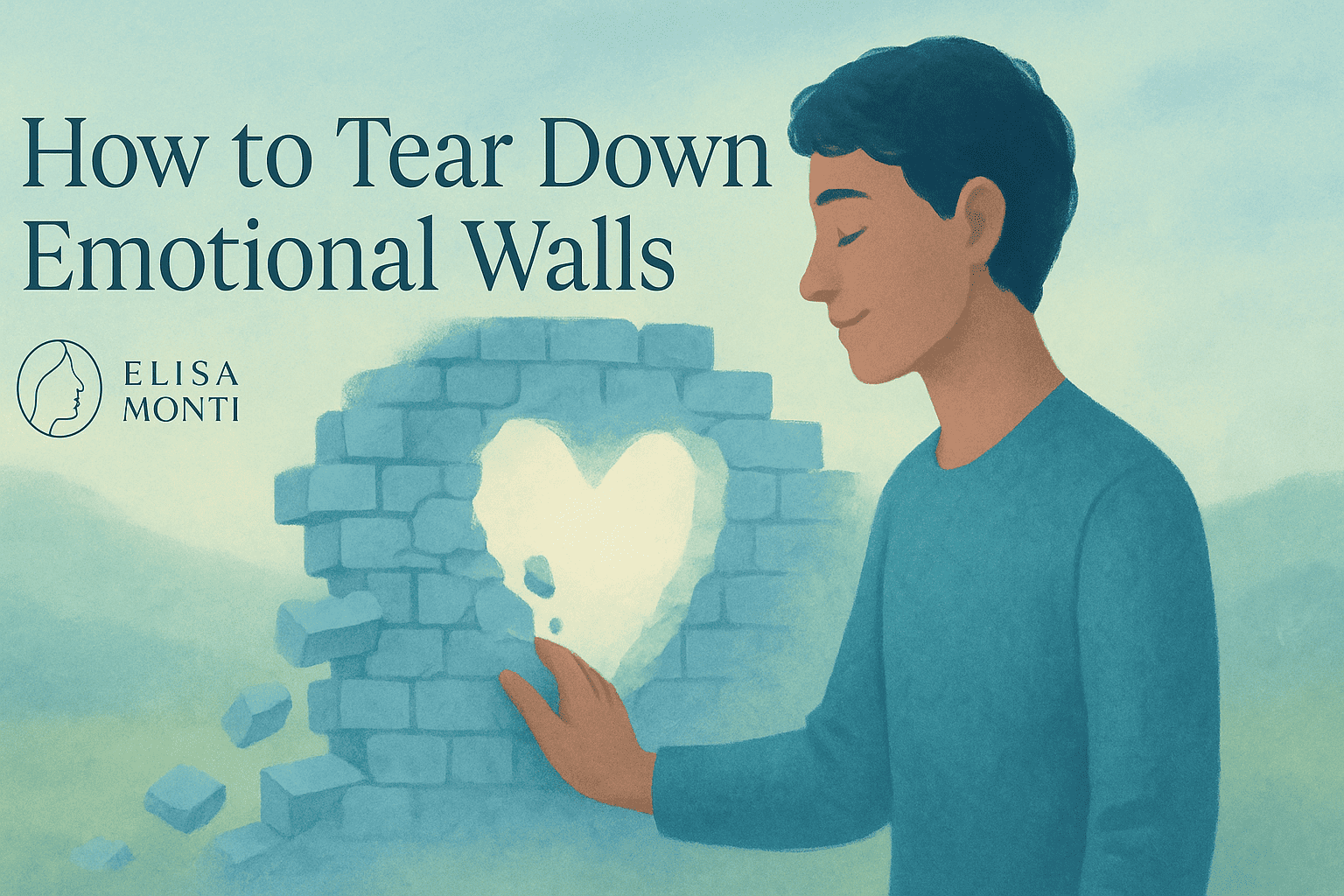
How to Heal Emotionally and Spiritually with Support

There are times in life when something inside us feels fractured, unseen, or lost. You might sense an old emotional wound that hasn’t quite healed, or a spiritual emptiness—a quiet voice inside that asks, “Isn’t there more to life than this?” If you’ve found yourself here, you’re likely searching not just for answers, but for genuine peace, meaning, and a deeper sense of wholeness.
Healing emotionally and spiritually isn’t about achieving perfection. It’s about learning to honor the parts of yourself that feel hurt or disconnected, and gently guiding them back into belonging. It’s a process of feeling again, rediscovering your own wisdom, and nurturing your sense of purpose.
As an emotional healing coach, I’ve supported many individuals who felt numb, overwhelmed, betrayed, or spiritually disconnected. If you’re carrying pain from past trauma, emotional abuse, or simply feeling “not yourself,” I want you to know: Healing is absolutely possible. You do not have to walk this road alone.
What Does It Mean to Heal Emotionally and Spiritually?
Emotional healing is the journey of naming, feeling, and moving through emotional pain—without shame or self-blame. It means making space for grief, anger, disappointment, and vulnerability, while unlearning patterns that keep you stuck. It’s about treating your own story with kindness.
Spiritual healing is about reconnecting with what gives your life meaning. For some, that’s a relationship with a higher power. For others, it might be a feeling of connection to nature, intuition, or simply the deeper parts of yourself. Spiritual healing helps you remember that you belong—to yourself, to others, and to something greater.
When emotional and spiritual healing come together, you find yourself feeling safer in your body, clearer in your mind, and more at peace with your story.
Reclaim Your Voice. Reclaim Yourself.
Break free from silence and fear. Take the first step toward healing, empowerment, and rediscovering your authentic self.
Book Call with ElisaWhy Emotional and Spiritual Healing Go Hand in Hand
Experiences like trauma, loss, or emotional abuse can leave us questioning our worth, our belonging, or even the point of it all. When emotional pain is ignored or minimized, it can create a deep spiritual void. Likewise, spiritual disconnection can make emotional wounds harder to heal. If you’ve ever thought, “Why do I feel so empty even when life looks okay from the outside?”—you’re not alone.
Real healing means inviting both your heart and spirit into the process. Ignoring one or the other only prolongs the pain. Authentic healing integrates your emotions and your inner wisdom.
Signs You May Need Emotional and Spiritual Healing
You feel numb, overwhelmed, or triggered more easily than before
Life feels directionless or lacks meaning, no matter how hard you try
It’s hard to feel safe, seen, or heard in your relationships
You carry deep shame or guilt that impacts your confidence and self-worth
You feel stuck, repeating old patterns, or unable to move forward
These are not weaknesses. They are signs your mind, body, and spirit are asking for care and connection.
A Gentle Path to Emotional and Spiritual Healing
Healing is not a straight line; it’s a process of unfolding, learning, and returning to yourself. Here’s how you can begin:
1. Acknowledge Your Pain with Compassion
Healing begins by noticing and naming what hurts—without judgment. This could be through journaling, mindful reflection, or sharing your story with a supportive listener. Denial may protect you for a while, but acknowledgment opens the door to release.
2. Care for Your Body and Nervous System
Trauma and stress are often held in the body. Mindful breathing, gentle movement, grounding exercises, and adequate rest help create a sense of safety from the inside out. When your body feels safe, your spirit can begin to open.
3. Practice Self-Compassion Daily
Notice your inner dialogue—are you hard on yourself? Try to speak with the same kindness you’d offer a friend. Small acts of self-compassion build the foundation for healing.
4. Reconnect to What Brings You Meaning
Whether through meditation, prayer, nature walks, art, or quiet moments of reflection, find what nourishes your spirit. Spiritual healing isn’t about dogma; it’s about meaning and belonging—whatever that looks like for you.
5. Lean Into Support and Safe Community
Healing thrives in connection. Reach out to those who listen with empathy—a coach, a group, or a trusted friend. Being witnessed and understood reminds you that you are not alone.
6. Live What You Learn
Healing is active. Set boundaries, use your voice, create rituals, and celebrate each step forward—no matter how small. Integrate your healing into daily life.
How Emotional Healing Coaching Supports Your Journey
Navigating emotional and spiritual healing can feel overwhelming, but you don’t have to do it alone. As an emotional healing coach, I partner with you to create a safe, non-judgmental space for you to explore your emotions and beliefs, reconnect with your body and spirit, and develop personalized practices for long-lasting transformation.
My trauma-informed coaching, heart-centered approach includes:
Exploring the roots of emotional wounds and what keeps you feeling stuck
Identifying patterns like people-pleasing or the fawn response
Gently reconnecting you to your voice, intuition, and boundaries
Supporting you in developing spiritual practices that resonate with your beliefs and needs
Encouraging embodied change, not just insight—helping you move from surviving to thriving
Every session is tailored to you: your pace, your truth, your unique path to wholeness.
Reclaim Your Voice. Reclaim Yourself.
Break free from silence and fear. Take the first step toward healing, empowerment, and rediscovering your authentic self.
Book Call with ElisaReflection Questions for Your Healing Journey
Take a moment to sit with these prompts. Let yourself write, feel, or simply notice what comes up:
Where in my body do I notice tension, heaviness, or numbness?
When do I feel most alive, peaceful, or connected?
What beliefs or stories am I carrying that no longer serve my healing?
You Are Not Broken—You Are Becoming Whole
If you’re feeling lost, exhausted, or spiritually adrift, remember: These feelings are not the end of your story. They’re an invitation to turn inward, to reconnect with yourself, and to begin again.
Healing emotionally and spiritually isn’t about changing who you are—it’s about coming home to the wholeness that’s always been within you.
If you’re ready to explore that journey, I’d be honored to walk beside you with empathy and guidance.
Book a discovery call today to learn how emotional healing coaching can support you. You deserve to feel whole again.
Frequently Asked Questions
What does it mean to heal emotionally and spiritually?
It means reconnecting with your feelings, releasing old wounds, and nurturing a sense of inner peace, meaning, and belonging.
How do I know if I need emotional or spiritual healing?
You may feel numb, anxious, disconnected, or stuck. If you’re questioning your worth or struggling to find peace, healing support may be helpful.
Can I heal spiritually without being religious?
Absolutely. Spiritual healing is about connection and meaning—whether through mindfulness, nature, creativity, or personal rituals that resonate with you.
How is emotional healing coaching different from therapy?
Coaching offers present-moment support, growth, and reconnection in a partnership focused on your unique goals, without clinical diagnosis or treatment.
How can Elisa Monti help with emotional and spiritual healing?
As a trauma-informed emotional healing coach, Elisa offers a safe, compassionate space to explore your story, reconnect with your voice and spirit, and rediscover your unique path forward.
How to Heal the Fawn Response

If you often find yourself putting everyone else’s needs before your own, apologizing when you’re not at fault, or struggling to say “no” even when you want to, you are not alone. These are all signs of what’s known as the fawn response—a common coping strategy that can develop after experiences of overwhelming stress or relational trauma.
In this guide, you’ll learn what the fawn response is, why it develops, how it might be affecting your life, and—most importantly—how you can begin to heal. As a trauma informed coach, I’m here to support you in reclaiming your authentic voice and building healthier boundaries with compassion and practical tools.
What Is the Fawn Response?
The fawn response is a survival strategy in which we try to keep ourselves safe by pleasing others, avoiding conflict, and prioritizing harmony over our own needs. Unlike simple acts of kindness or empathy, the fawn response comes from a deep-seated belief that our safety or acceptance depends on keeping others happy, often at the expense of our own well-being.
This pattern might show up as saying “yes” when you mean “no,” agreeing with things you don’t truly believe, or staying silent when you’d like to speak up. The fawn response is not a weakness; it’s a creative adaptation—often learned in environments where standing up for yourself felt risky or was met with criticism, punishment, or withdrawal.
Why Does the Fawn Response Develop?
Fawning is often rooted in early life experiences or repeated exposure to stressful, unpredictable, or unsafe relationships. It can emerge in families where peacekeeping was necessary to avoid anger or rejection, or in any situation where you learned that your needs were less important than those of others.
Over time, fawning becomes an automatic habit—a way of relating to the world that once served to protect you, but may now leave you feeling resentful, invisible, or exhausted. Remember: You adapted in the best way you could with the tools and environment you had.
Common Signs of the Fawn Response
How do you know if the fawn response is shaping your life? Here are some common signs and behaviors:
Difficulty saying “no,” even when overwhelmed
Chronic people-pleasing or over-apologizing
Avoiding conflict at all costs
Suppressing your needs, desires, or opinions
Feeling responsible for other people’s happiness or emotions
Loss of your authentic voice—feeling invisible or unheard
Resentment or burnout from constantly giving more than you receive
Anxiety or guilt when considering setting a boundary
If you see yourself in several of these patterns, know that you are not alone—and that change is possible.
How the Fawn Response Impacts Your Life
While fawning may help maintain peace in the short term, over time it can have serious emotional, relational, and even physical costs:
Emotional Impact: Chronic self-silencing leads to feelings of resentment, unfulfillment, and loss of self.
Relationship Patterns: You may attract controlling or demanding people, or find it hard to experience deep, reciprocal intimacy.
Self-Expression: Over time, you might lose touch with your own voice, dreams, and needs.
Boundaries: Difficulty asserting boundaries can lead to overwhelm, burnout, and a persistent sense of powerlessness.
But with awareness, compassion, and support, these patterns can be transformed.
The Healing Journey: Can You Change the Fawn Response?
Yes—healing is absolutely possible. While these habits may feel automatic now, they are learned responses—and anything learned can be unlearned or replaced with healthier, more empowering patterns.
Healing the fawn response is not about becoming “selfish” or cold; it’s about honoring your needs and authenticity while relating to others from a place of true connection. This journey takes time, self-compassion, and often the support of a skilled trauma informed coach.
Steps to Heal the Fawn Response
1. Build Awareness Without Judgment
The first step is to recognize your fawning patterns in daily life. Notice when you feel compelled to say “yes,” when you stay silent, or when anxiety arises at the thought of expressing a need.
Try this:
Keep a journal or make quick notes on your phone when you notice yourself slipping into people-pleasing.
Reflect on the situations and relationships where you most often lose your voice.
2. Practice Identifying Your Needs
Healing begins when you can tune into what you actually want, need, or feel—even if you’re not ready to express it yet.
Try this:
Pause several times a day and ask, “What do I need right now?”
Before agreeing to something, give yourself a moment to check in: “Do I really want to do this?”
3. Learn and Practice Saying “No”
Saying “no” may feel uncomfortable at first, but it’s a vital part of self-care and self-respect.
Try this:
Start small: Practice saying “no” to low-stakes requests.
Use gentle scripts: “Thank you for thinking of me, but I can’t commit to that right now.”
4. Develop Self-Compassion
Be kind to yourself as you begin this process. Healing the fawn response is often accompanied by guilt or anxiety. Remind yourself that your needs matter, and that every small step is progress.
Try this:
Speak to yourself as you would to a dear friend: “It’s okay to put myself first sometimes.”
Celebrate every instance where you honor your truth, even in small ways.
5. Strengthen Your Voice
Reclaiming your voice is about expressing your true feelings, ideas, and needs safely and authentically.
Try this:
Practice sharing your opinions in safe spaces, even if they’re small.
Use “I” statements: “I feel…,” “I would prefer…,” “I need…”
6. Regulate Your Nervous System
Setting boundaries can trigger anxiety. Simple grounding techniques can help your body feel safe as you take new risks.
Try this:
Deep, slow breaths when you feel tense
Grounding exercises: notice five things you can see, four you can touch, three you can hear, two you can smell, one you can taste
Gentle self-soothing: placing a hand on your heart or cheek
How Trauma Informed Coaching Can Support Healing the Fawn Response
Trauma informed coaching provides a supportive, non-judgmental partnership as you build new ways of relating to yourself and others. Here’s how working with a coach like Elisa can help:
Personalized Strategies: Together, you’ll develop practical steps for boundary setting, self-advocacy, and voice reclamation.
Safe Accountability: A coaching relationship offers encouragement and guidance, helping you practice new skills in real time.
Confidence Building: With regular support, you’ll notice your confidence and self-trust grow.
Empowerment: Coaching sessions are collaborative, focusing on your strengths and helping you reconnect with your authentic self.
What to expect in a session:
You’ll work together to explore current challenges, identify underlying patterns, and set gentle, achievable goals for change. Elisa’s trauma informed approach honors your pace and your story.
Self-Reflection: Journal Prompts and Questions
Here are a few questions to help you deepen your awareness of the fawn response in your life:
In what situations do I find it hardest to say “no” or set a boundary?
How do I feel in my body when I consider expressing a need or opinion?
What was my experience with boundaries and voice growing up?
What would I like to say or do if I wasn’t afraid of disappointing others?
What is one small way I can honor my needs this week?
Real-Life Example
Many clients who work with trauma informed coaches discover that, over time, they begin to notice their patterns sooner and feel safer experimenting with small acts of self-advocacy. One client shared that after practicing with her coach, she was finally able to tell a close friend she needed a night to herself—an act that once felt impossible. With practice and support, she found her voice growing stronger each week.
When to Seek Extra Support
You don’t have to heal the fawn response alone. If you’re struggling with persistent people-pleasing, burnout, or feeling invisible in your relationships, seeking support can make all the difference. Trauma informed coaching offers guidance, accountability, and a compassionate ally on your journey to change.
Conclusion
Healing the fawn response is a courageous act of self-love and self-rediscovery. With patience, support, and practice, you can learn to set healthy boundaries, express your true self, and build relationships rooted in authenticity and respect.
If you’re ready to begin this journey, I invite you to book a discovery call with me, Elisa Monti. Together, we’ll explore practical ways to reclaim your voice, restore your boundaries, and experience the freedom of living authentically.
Frequently Asked Questions
What is the fawn response?
The fawn response is a survival strategy where you prioritize others’ needs and avoid conflict, often at your own expense, as a way to stay safe or gain acceptance.
How long does it take to heal the fawn response?
Healing is a personal and gradual process. Progress depends on your unique history, support systems, and readiness, but even small steps can make a big difference over time.
Can trauma informed coaching help with people-pleasing?
Yes! Coaching offers personalized support and practical tools to help you recognize and shift people-pleasing patterns and develop healthier boundaries.
What are some practical steps to stop fawning?
Building awareness, practicing saying “no,” developing self-compassion, and working with a supportive coach are all effective ways to begin changing fawn behaviors.
How do I know if I’m making progress in healing the fawn response?
Progress can look like feeling more comfortable saying “no,” expressing your needs, and noticing less anxiety around setting boundaries. Celebrating each small win helps build momentum.

Signs of Emotional Trauma

Understanding Emotional Trauma
Emotional trauma is an experience that leaves a deep and lasting impact on how we feel, think, and relate to ourselves and others. While trauma can stem from a single event or ongoing stress, its effects are often invisible, showing up in subtle changes to our emotions, relationships, and even our ability to speak up for ourselves. Recognizing the signs of emotional trauma is the first step toward healing and reclaiming your sense of self.
As a trauma informed coach, I believe that emotional wounds deserve compassion, not judgment. If you’re wondering whether emotional trauma might be affecting you, this guide is here to help you recognize the signs—without labels or diagnosis—so you can begin your journey to recovery.
What Are the Signs of Emotional Trauma?
Emotional trauma shows up in many ways—sometimes obvious, sometimes hidden. You might notice changes in your feelings, behaviors, or how you experience the world. Here are some of the most common signs that emotional trauma may be impacting your life:
Reclaim Your Voice. Reclaim Yourself.
Break free from silence and fear. Take the first step toward healing, empowerment, and rediscovering your authentic self.
Book Call with Elisa1. Emotional Numbness or Disconnection
You feel “shut down,” detached, or emotionally flat.
It’s hard to connect with others, or even with your own feelings.
You might go through the motions of daily life without truly experiencing it.
Why it happens: Emotional numbing is a natural protective response—your nervous system’s way of keeping you safe from overwhelming feelings. But over time, it can leave you feeling isolated or empty.
2. Persistent Anxiety or Fear
You’re often on edge, easily startled, or always expecting something bad to happen.
Everyday situations can trigger strong feelings of panic or unease.
You may have trouble relaxing, even in safe environments.
Coaching Insight: Living in “survival mode” can make it hard to trust yourself and others. Trauma informed coaching offers gentle ways to create a sense of internal safety.
3. Difficulty Expressing Yourself (Loss of Voice)
You hesitate to speak up, share opinions, or assert your needs.
You may feel your voice is blocked, weak, or even physically tense.
You struggle to set boundaries or ask for what you want.
Note: Many people who have experienced trauma develop a “fawn response”—people-pleasing or silencing themselves to avoid conflict or stay safe.
4. Mood Swings or Emotional Overwhelm
You experience sudden shifts from sadness to anger, or feel overwhelmed by emotions that seem out of proportion.
Small triggers can set off intense reactions.
You might cry easily or find it hard to control your temper.
5. Self-Doubt and Low Self-Worth
You often criticize yourself or believe you’re “not enough.”
Negative self-talk becomes your inner soundtrack.
Achievements feel empty, or you worry that others will “find out” you’re not as capable as you seem.
6. Avoidance and Withdrawal
You pull away from friends, family, or activities you used to enjoy.
Social events or new experiences feel overwhelming or unsafe.
You find yourself making excuses to avoid situations that trigger old wounds.
7. Physical Signs and Body Memory
Trauma can show up as headaches, muscle tension, stomach issues, or unexplained pain.
You may feel restless or exhausted, even after sleep.
Some people experience a racing heart or shallow breathing when reminded of difficult memories.
Why These Signs Matter
Recognizing the signs of emotional trauma is not about labeling yourself—it’s about understanding your experience with compassion. Emotional trauma is a normal response to overwhelming situations, and noticing these patterns is the first step toward healing.
How Trauma Informed Coaching Can Help
As a trauma informed coach, I provide a safe, non-judgmental space for you to explore your emotions, reconnect with your voice, and begin your healing journey. Trauma informed coaching focuses on present-moment awareness, building resilience, and supporting you with actionable steps as you move forward in your healing journey.
Therapeutic coaching with Elisa Monti can help you:
Identify and shift unhelpful patterns, like the fawn response or emotional shutdown
Reclaim your authentic voice and learn to express your needs safely
Build healthy boundaries and stronger self-esteem
Develop gentle self-compassion and emotional regulation skills
Reclaim Your Voice. Reclaim Yourself.
Break free from silence and fear. Take the first step toward healing, empowerment, and rediscovering your authentic self.
Book Call with ElisaWhen to Seek Support
If you recognize yourself in these signs, know that you are not alone—and you do not have to navigate healing by yourself. Emotional trauma is deeply personal, but with the right support, it is possible to move from surviving to thriving.
Working with a trauma informed coach can be a powerful step toward recovery, empowerment, and a renewed sense of hope.
Ready to begin your healing journey?
Book a discovery call with Elisa Monti to learn how trauma informed coaching can support your emotional recovery and help you reclaim your voice.
Frequently Asked Questions
What are common signs of emotional trauma?
Emotional numbness, persistent anxiety, difficulty expressing yourself, mood swings, low self-worth, withdrawal, and unexplained physical symptoms are all common signs of emotional trauma.
What can I expect from trauma informed coaching?
Trauma informed coaching is a collaborative, present-focused approach that supports your journey to healing, resilience, and greater self-awareness. Sessions are designed to help you explore new perspectives, build practical skills, and experience compassionate support as you move forward.
Can a trauma informed coach help with people-pleasing or the fawn response?
Yes! Coaching can help you identify these patterns, understand their roots, and practice healthier ways of relating to yourself and others.
Is online coaching effective for emotional trauma recovery?
Absolutely. Online trauma informed coaching offers privacy, accessibility, and support—no matter where you are located.
What is therapeutic coaching?
Therapeutic coaching integrates trauma awareness and emotional support within a coaching partnership, helping you grow, heal, and reclaim your strengths at your own pace.